JOHANNEMANN & SONSGENERAL CONTRACTING · BERGEN COUNTY NJ
(201) 446-5941 Free Estimate
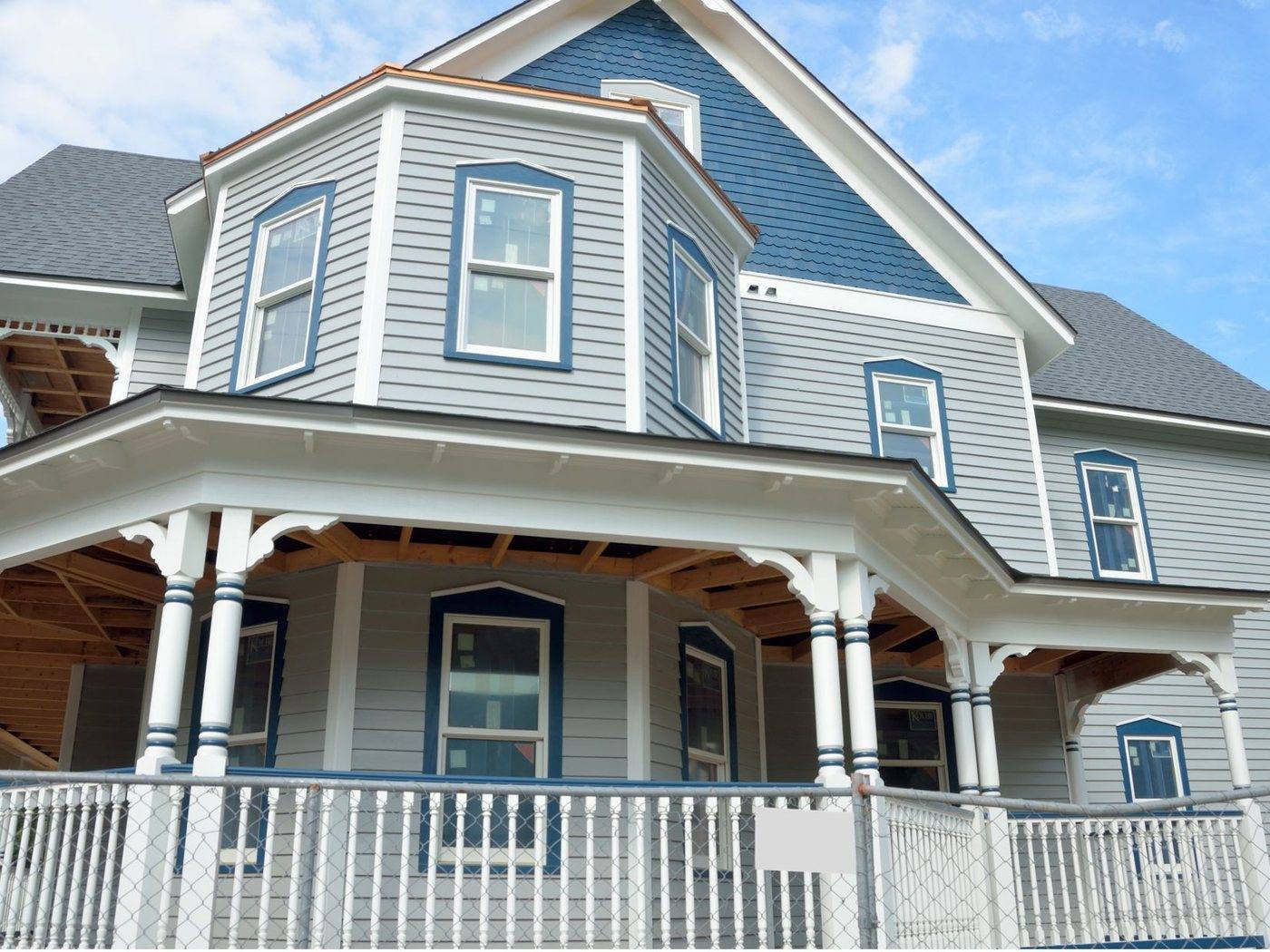
A pale blue clapboard Victorian house with a wraparound porch
Siding

Siding is a rain screen. We build it like one.

Cedar shingle and shake, fiber cement, engineered composite and clapboard — installed with the housewrap, flashing and drainage detail that decide how long the front of it lasts. Full tear-off as standard, because the sheathing is the part nobody can see.

Doing the roof at the same time? The roof-to-wall junction is cheaper and better when one contractor owns both sides of it.

Materials

Four systems, and the honest trade-off in each

There is no best siding. There is the one that suits the house, the exposure and how much maintenance you are actually willing to do.

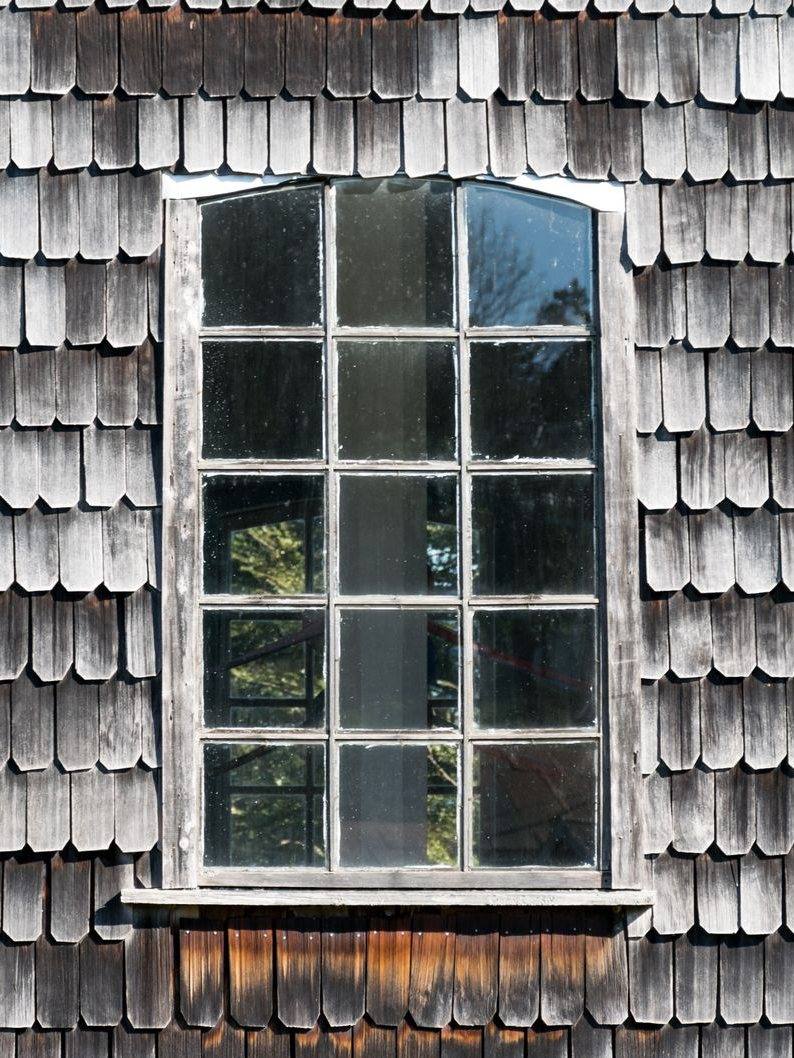
A white multi-pane window set into weathered cedar shingle siding

Cedar shingle & shake

The right answer on shingle-style and older colonial houses, and the one that ages best if it is allowed to breathe. Stainless fastenings, and a rain-screen gap behind it on exposed elevations.

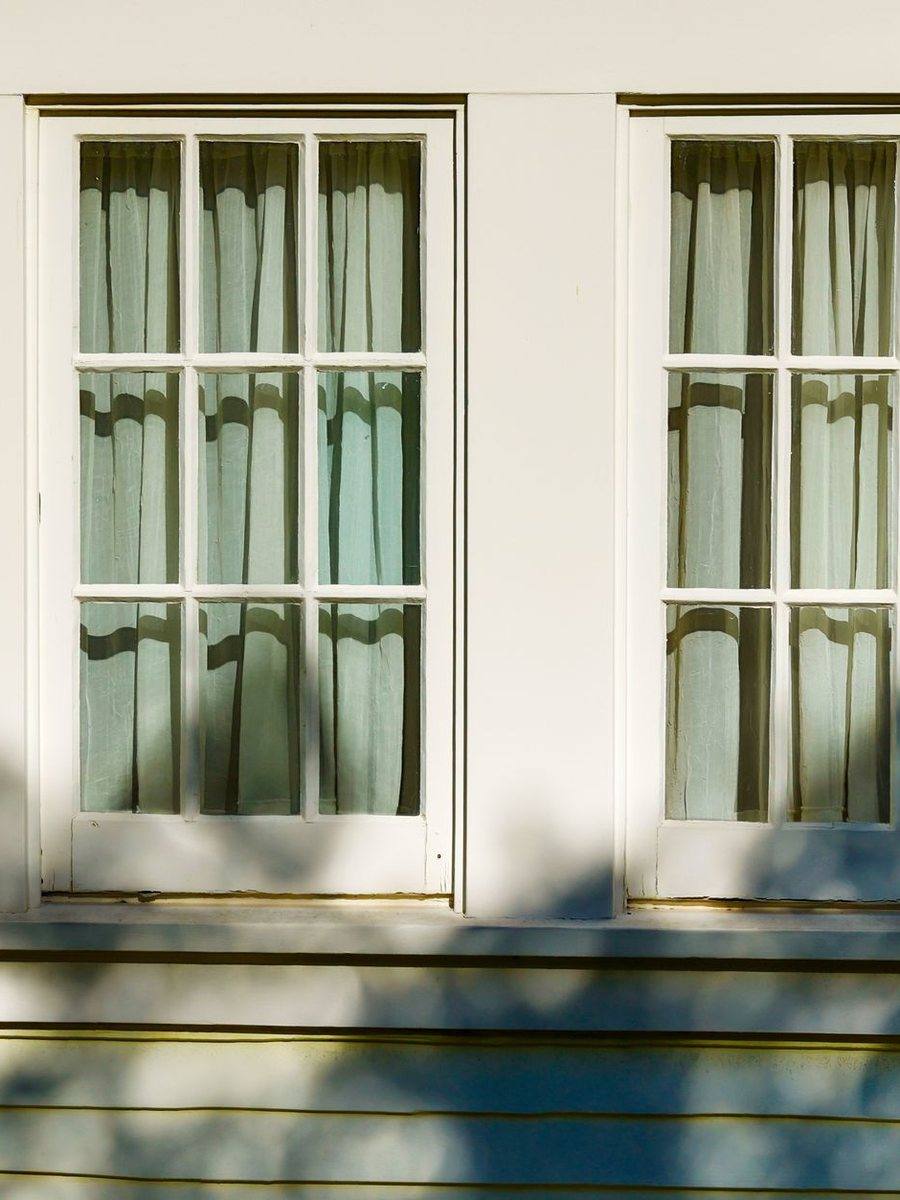
White painted clapboard with tall shuttered windows

Wood clapboard

Cedar or pre-primed pine, back-primed on all six sides before it goes up. Repairable board by board, which is why hundred-year-old clapboard houses are still standing here.

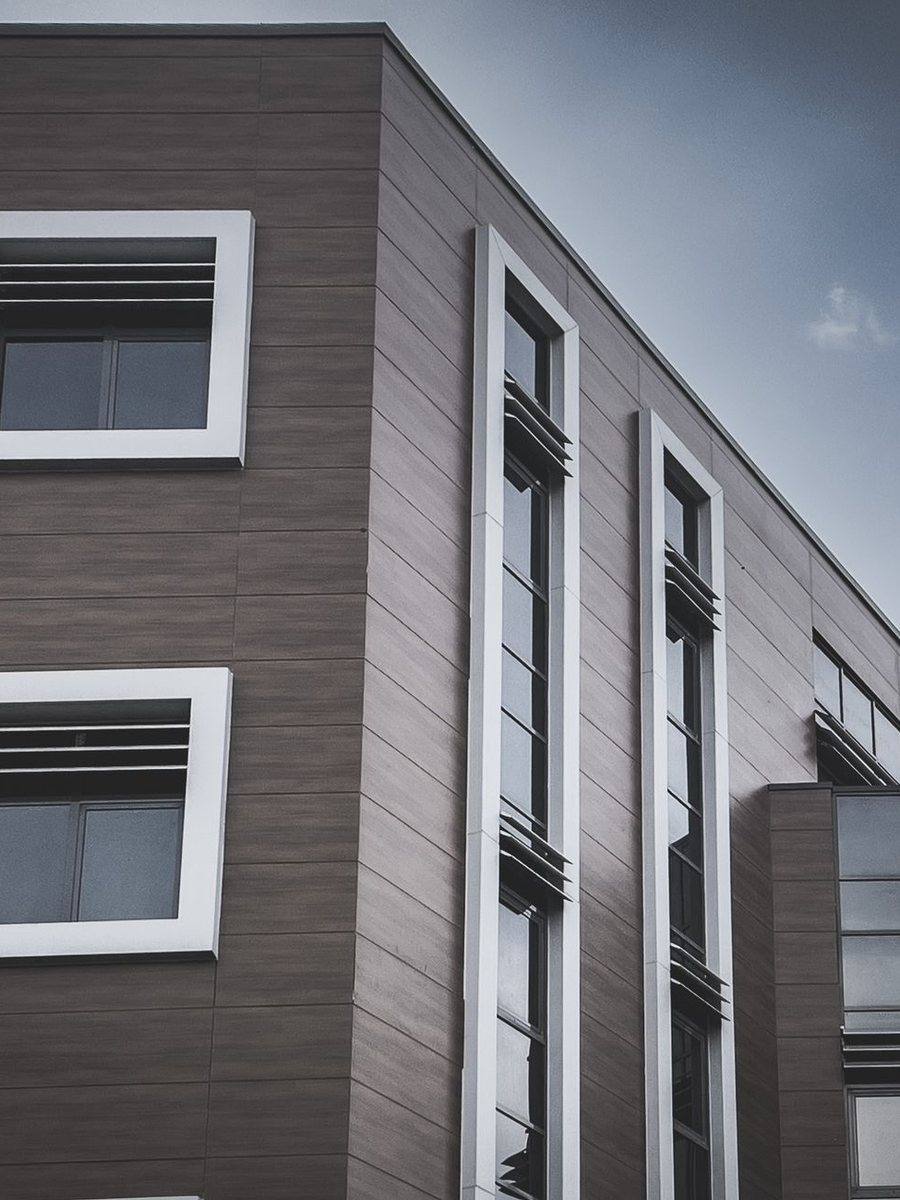
Dark gray fiber cement panels on a modern house facade

Fiber cement

Dimensionally stable, non-combustible and holds paint far longer than wood. Heavy, and unforgiving of a bad cut — the finish quality is entirely down to the crew.

Clean horizontal siding profile in soft gray

Engineered composite

Engineered wood and premium insulated profiles. The sensible budget choice, provided the trim, corners and J-channel details are treated as carpentry rather than as trim-out.

SystemService lifeMaintenanceBest on
Cedar shingle30–50 yearsWash and re-treat periodically; leave to silver, or stainShingle-style, coastal exposure, older colonials
Wood clapboard50–100 yearsRepaint every 7–10 years; repairable board by boardHistoric and center-hall colonials, anything with original trim worth matching
Fiber cement40–50 yearsRepaint every 12–15 years; will not rot or feed insectsFull re-sides where the look of painted wood is wanted without the cycle
Engineered composite25–40 yearsWash; factory finishes carry long paint warrantiesBudget-led whole-house replacement, rear elevations, rentals

Service life assumes correct installation with a working drainage plane behind the cladding. Siding installed tight to sheathing with no way for water to get back out fails in a fraction of these numbers, whatever it is made of.

The part you never see

A wall, from the outside in

Every wall in this county will get wet. A wall that works is not one that keeps water out — it is one that lets the water that gets in find its way back out. These six layers, in this order, are the whole job.

01

The cladding

The part you chose from a sample board. It sheds most of the water and takes all of the weather, and it is the least important layer for whether the wall survives.

02

The drainage gap

A furred rain-screen cavity on exposed elevations and behind cedar. It lets the back of the cladding dry and gives trapped water somewhere to run down to rather than sideways into the sheathing.

03

The weather-resistive barrier

Housewrap or building paper, lapped shingle-fashion so that every upper course sits over the one below. Lapped the wrong way it functions as a funnel, and it is the single most common defect we find on tear-off.

04

Flashing at every opening

Sill pan under each window, jamb flashing lapped over it, head flashing lapped over that and over the housewrap. Tape alone is not a sill pan.

  • Windows & doors
  • Deck ledgers
  • Roof-to-wall junctions
  • Penetrations & vents
05

The sheathing

Inspected across the whole elevation once the old siding is off. Rot gets cut back to sound framing and replaced in kind — priced separately and only charged if it is there.

06

Air sealing and insulation

The one time in the life of the house when the outside of the wall is open. Sealing penetrations and adding continuous exterior insulation costs a fraction now and is effectively impossible later.

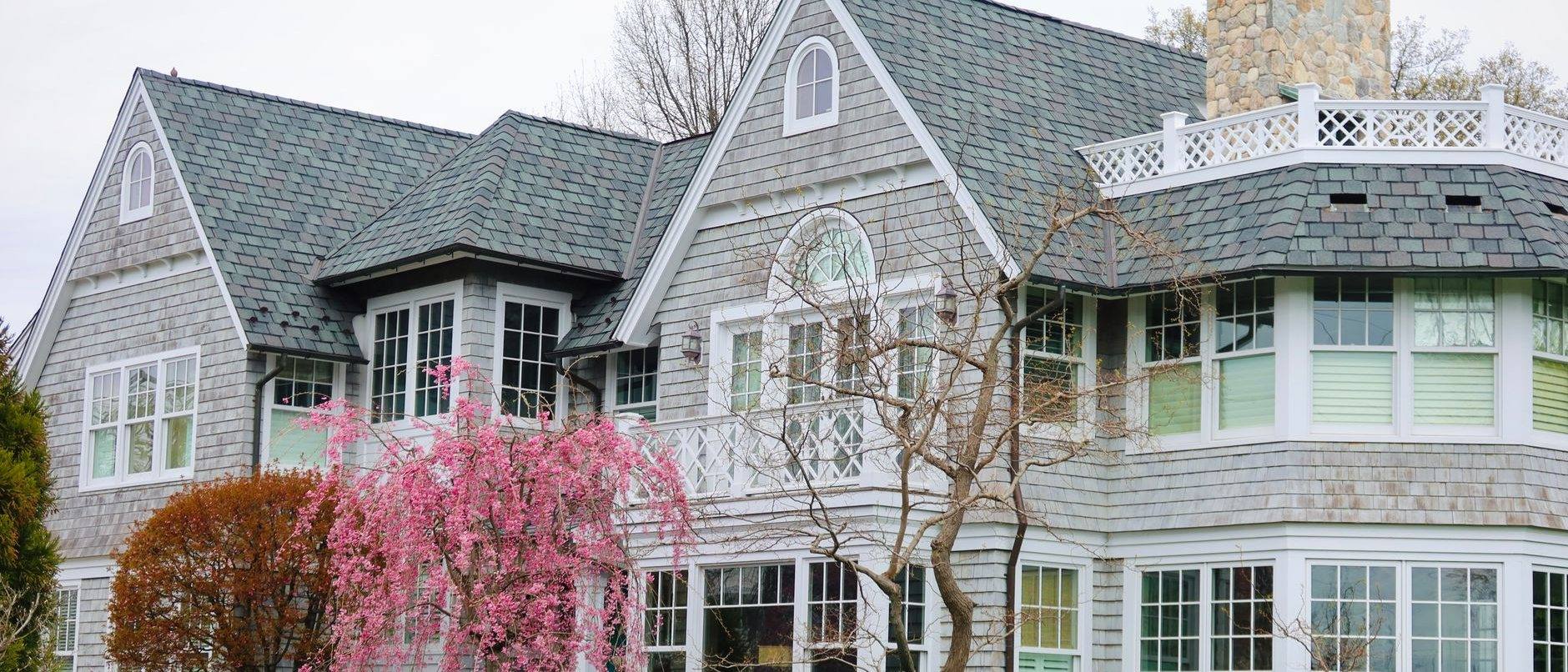
A gray shingled house with white trim behind a flowering cherry tree

The trim is where a re-side gives itself away.

Corner boards, frieze, water table, window casings and the return at the eaves. Get those wrong and a hundred-thousand-dollar job looks like a wrap. We match the existing profiles rather than defaulting to whatever comes in the siding manufacturer's trim kit.

Diagnosis

What tells you it is more than a paint job

Siding rarely fails all at once. It fails at the bottom course, behind the gutters and under the windows, and by the time it is obvious from the street the sheathing has usually been wet for a while.

Have us look at it

Soft boards near the ground

Press near the bottom course and around sills. If a screwdriver goes in, that is rot, and paint over it is money spent on a delay.

Paint failing in patches

Even weathering is sun. Blistering in patches, especially below windows, is moisture pushing out from behind the board.

Green or black staining

Persistent algae on one elevation usually means the wall is staying wet — poor drainage, a leaking gutter above, or no gap behind the cladding.

Drafts and cold interior walls

If the inside face of an exterior wall is noticeably cold, the problem is air sealing, and the cheapest time to fix it is with the siding off.

Questions

Before you commit to a re-side

Can you just side over what is there?

We do not recommend it and we do not price it as standard. Going over the old siding buries the existing flashing, hides whatever rot is underneath, and leaves you with a wall whose drainage plane nobody has ever inspected. It also adds thickness that pushes trim and window returns out of proportion. Tear-off is the only way to know what you have bought.

How long will it take?

An average colonial is usually two to three weeks for full tear-off and re-side. Cedar and houses with a lot of trim detail run longer. The two things that move the date are weather and rot repair — and we would rather tell you on day four that the rear elevation needs sheathing than quietly cover it.

Will new siding lower my heating bill?

The siding itself, barely — it is a rain screen, not insulation. What does make a measurable difference is what happens while the wall is open: sealing the penetrations, correcting the weather barrier and adding continuous exterior insulation. That is worth doing, it is cheap relative to the rest of the job, and it is effectively impossible to do afterwards.

Do you do the trim, soffits and fascia as well?

Yes, and we would rather do them together. Trim is where a re-side either reads as original or reads as a wrap. It is also where water gets in, particularly at the eaves return and where the gutter meets the fascia — which is a good argument for doing gutters in the same visit.

What about the windows?

If the windows are due, replacing them during a re-side is significantly cheaper and produces a far better result, because the openings can be properly flashed and integrated with the weather barrier rather than worked around. See windows and doors.

We will tell you what is behind the boards before you pay for new ones.

Free written estimate with photographs. If the siding is sound and the problem is a gutter, we will say so.