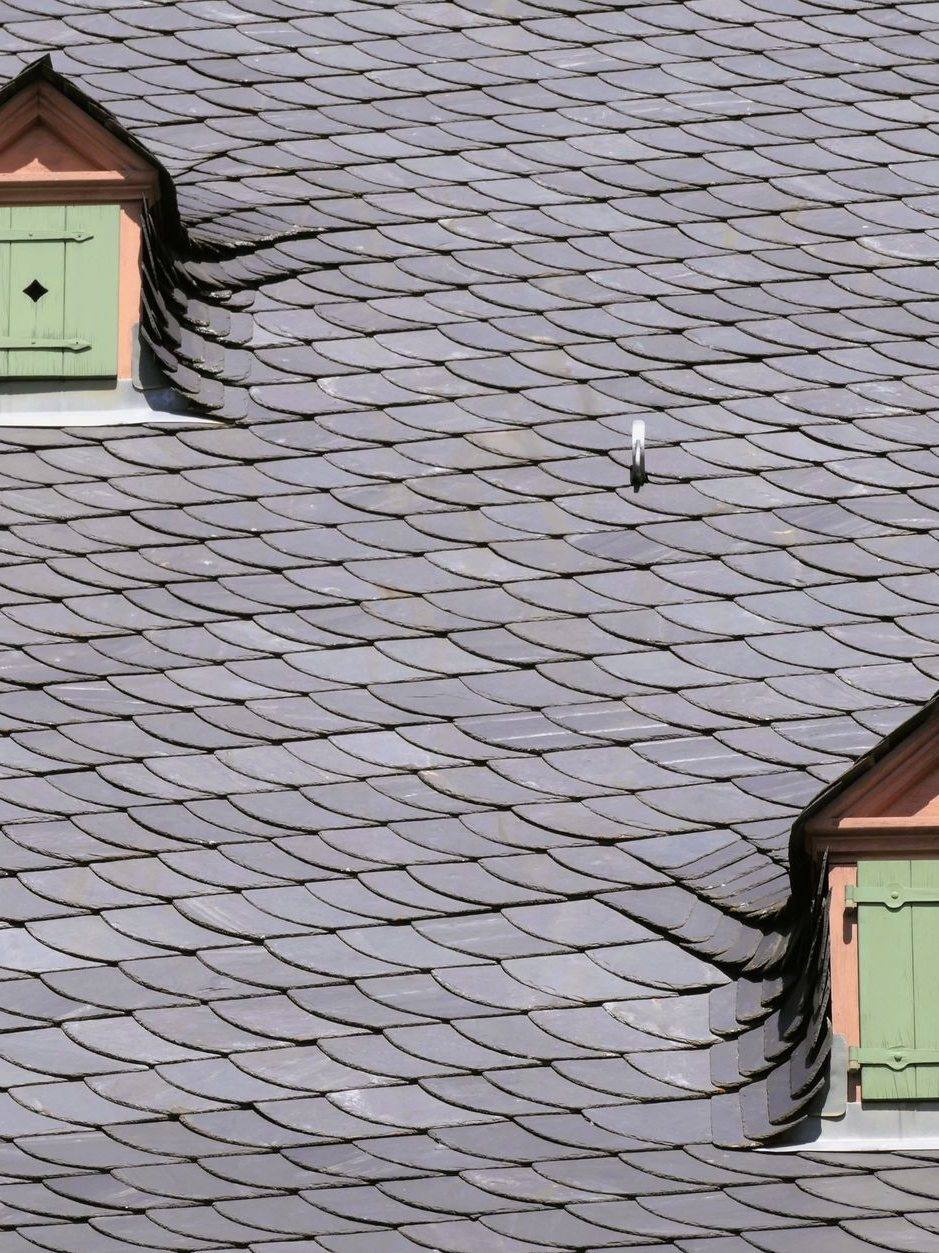
Natural slate
Restoration, selective replacement and complete re-slating in matched stock. The only roof most Bergen County houses will ever need twice.
75–150 years · heaviest · needs a structure rated for it
Repairs, replacements, inspections and urgent repairs across Bergen County — in slate, cedar, standing seam, architectural asphalt and copper. Our own crews, a written scope you can compare, and an honest answer about whether you need a new roof at all.
Every estimate carries the pictures of what we actually found up there.
The crew that quotes the job is the crew that strips and lays it.
Manufacturer registration filed on your behalf when the job closes.
Before anyone gets on the roof, including you. None of this takes more than ten minutes, and all of it makes the repair smaller.
A bucket under the drip. If the ceiling is bulging, pierce the low point so it drains in one place.
Furniture, rugs and electronics out from under the stain, and plastic sheeting over anything that cannot move.
The ceiling, the wall below it and the roof from the ground. Insurers ask for dated pictures first.
A wet roof is how a leak becomes a fall. (201) 446-5941 — we hold a 24-hour assessment window for active leaks, year-round. What happens when we arrive.
From a single lifted ridge cap to a complete re-slating with new copper valleys — and the flashing, ventilation and decking work that usually turns out to be the actual problem.
We find the entry point before we quote the fix. Water travels along rafters; the stain on the ceiling is almost never under the hole.
Complete tear-off to the deck, deck repair where needed, new underlayment, flashing and ventilation as one system.
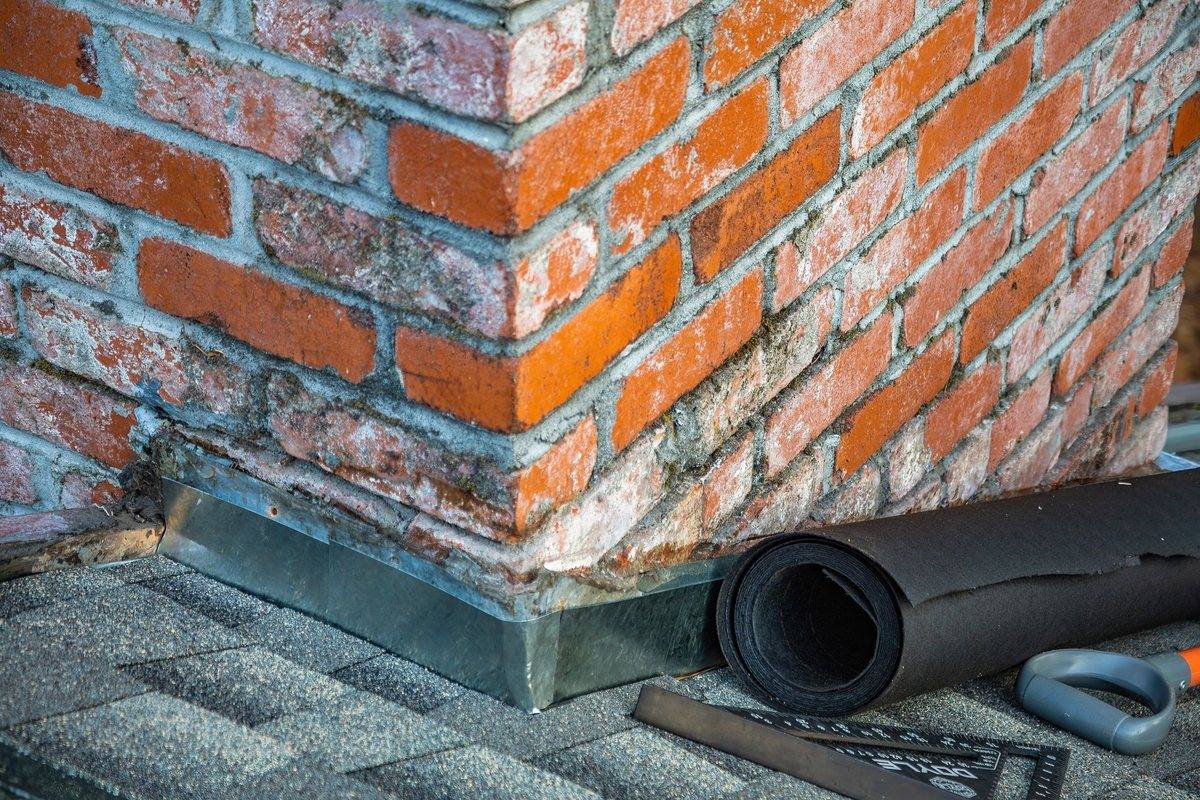
Step-and-counter flashing done properly in metal, not sealed with a tube of roof cement and a prayer.
Balanced intake at the soffit and exhaust at the ridge. Ventilation is the roofing half of stopping ice dams; the other half is sealing and insulating the attic floor.
Pre-purchase and pre-winter inspections with a photographed written report you can hand to a lawyer or an insurer. See what a roof inspection covers.
Rear extensions, dormer cheeks and porch roofs in single-ply membrane or modified bitumen, tied properly into the pitched roof above.
None of these means you need a new roof. All of them mean the roof is telling you something, and every one of them is cheaper to deal with in September than in February.
Asphalt shingles shed their mineral surface as they age. A cupful after heavy rain is normal. A gutter with a sand bar in it is a roof in its last few years.
Intermittent staining usually means wind-driven rain past a flashing, or an ice dam, rather than a hole. It is also the kind of leak that rots a rafter quietly for two years.
Wind damage is directional. If a whole slope looks slightly ruffled from the street, the seal strips have let go even if nothing has blown off yet.
Sighting along the ridge from the yard will show sag. That is a deck or a structural issue, and it does not get better under new shingles.
Go up on a bright day with the light off. Pinholes of daylight, damp sheathing or rusted nail points all say the same thing before the ceiling does.
If water is already coming in, start with what to do in the first hour.
Six systems, each right for a particular house, budget and pitch. Below is what each one actually costs you in service life — and what it asks of the structure underneath. The long version is how long each roofing material lasts in New Jersey.
Restoration, selective replacement and complete re-slating in matched stock. The only roof most Bergen County houses will ever need twice.
75–150 years · heaviest · needs a structure rated for it
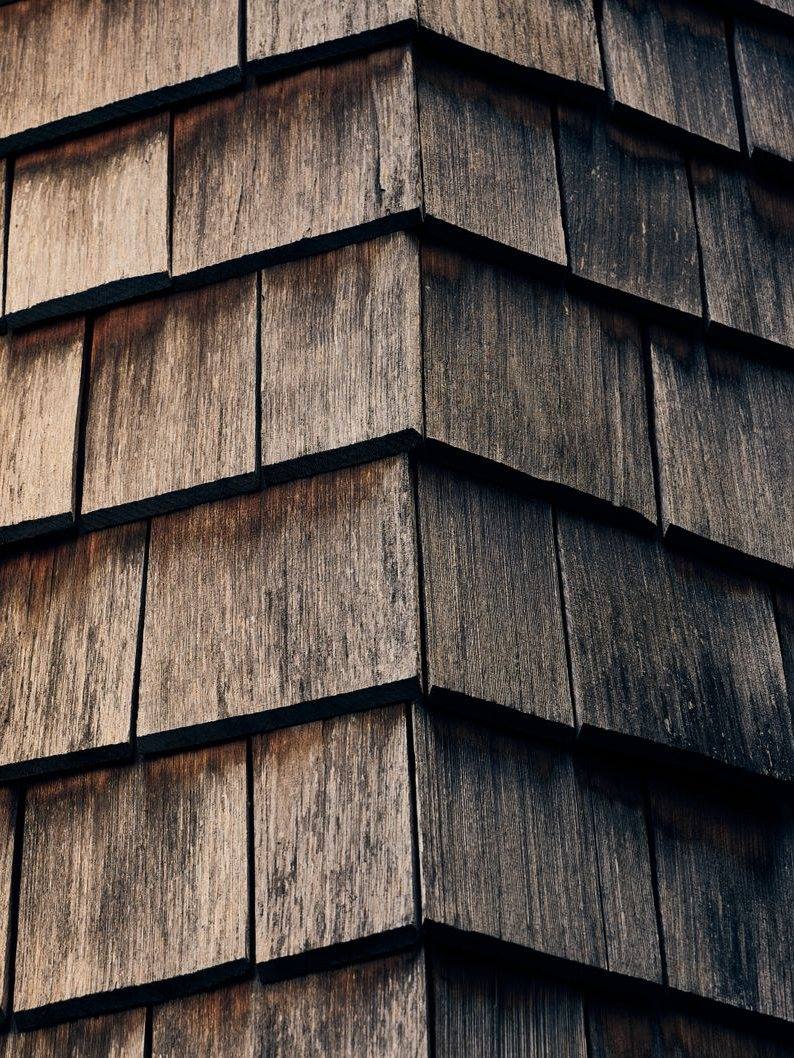
Set on breathable underlayment with stainless fastenings, so it weathers to silver rather than curling and splitting at the butts.
30–40 years · needs airflow beneath · treatable for fire rating
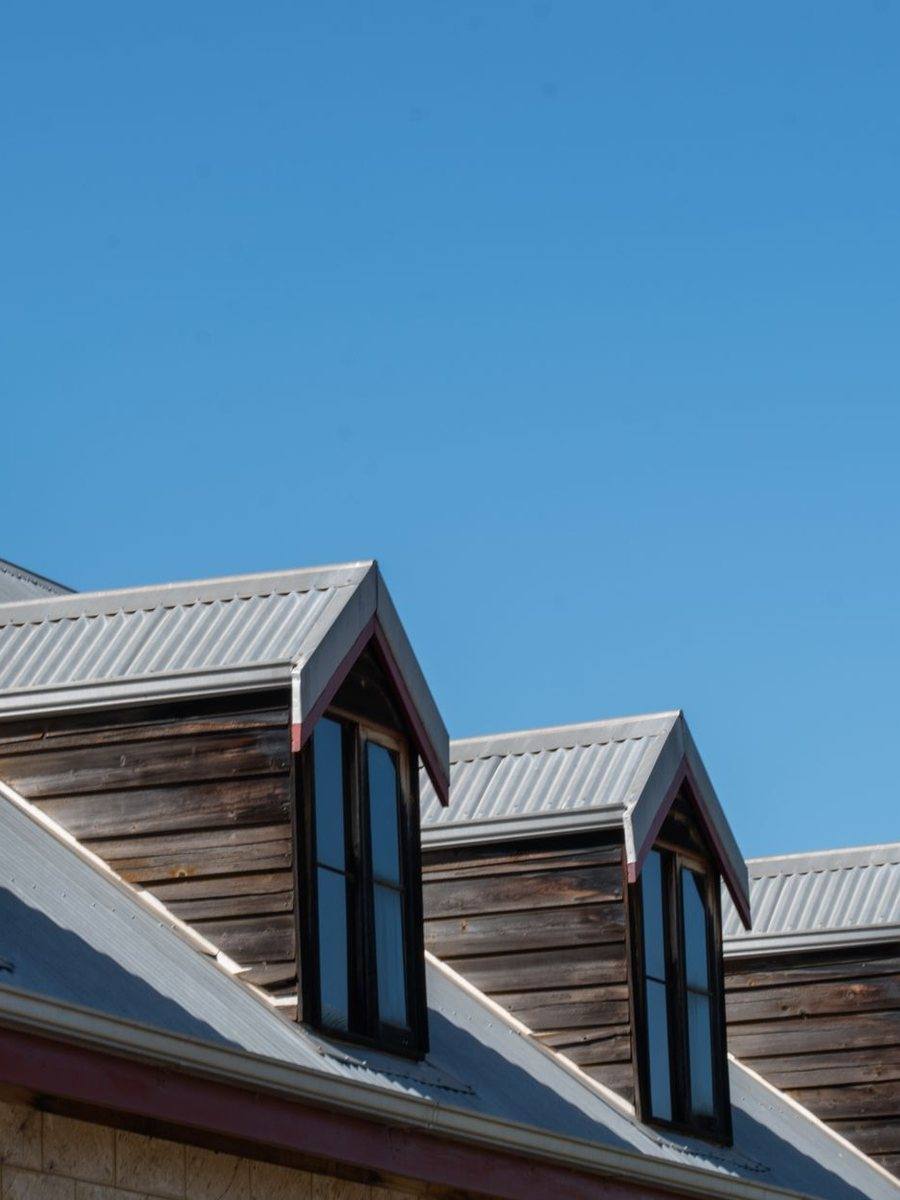
Site-formed panels on concealed clips. No exposed screws and no rubber gasket to dry out, which is what fails on an exposed-fastener metal roof.
50–70 years · excellent on low pitch · sheds snow
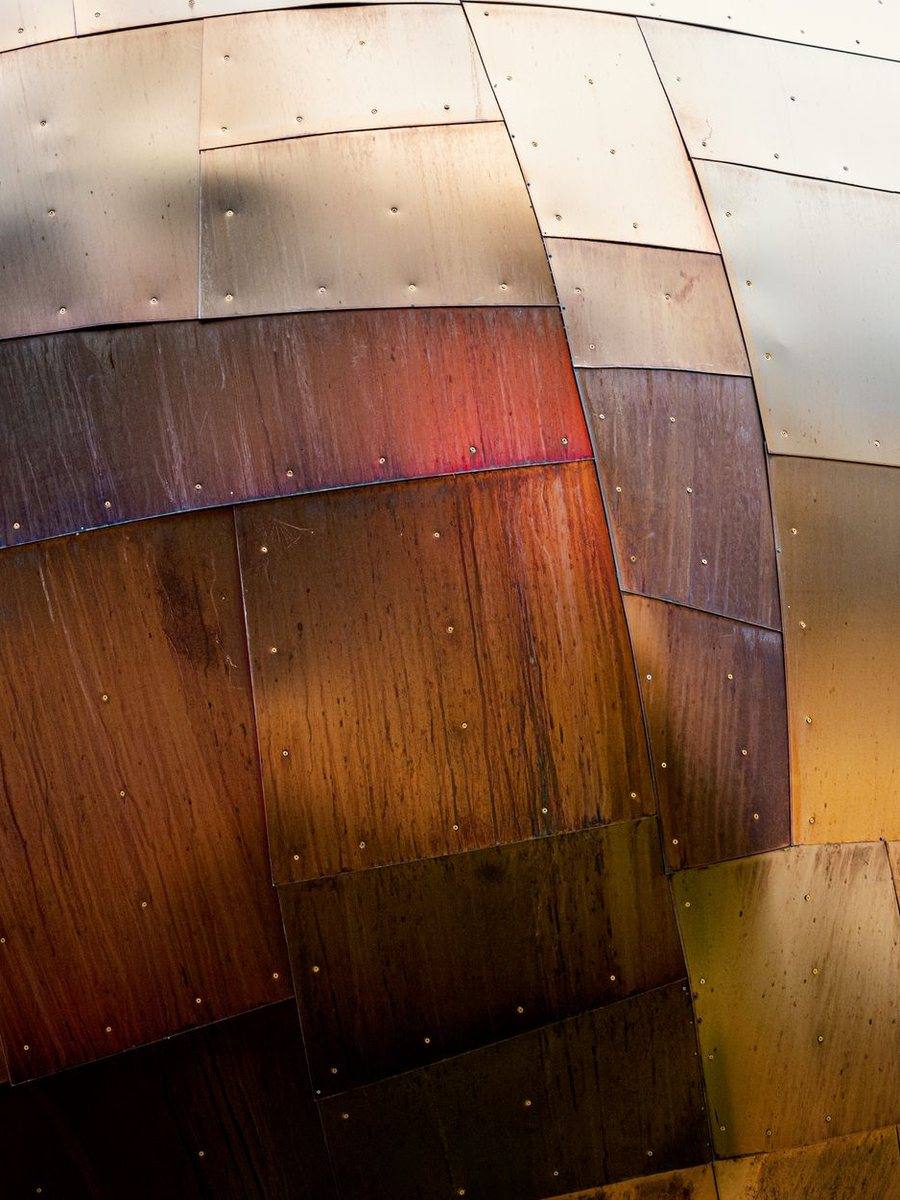
Valleys, flashings, bays, dormer cheeks and gutters. The most expensive metal on the roof and the last piece of it you will ever pay for.
80–100 years · usually a detail, not a whole roof
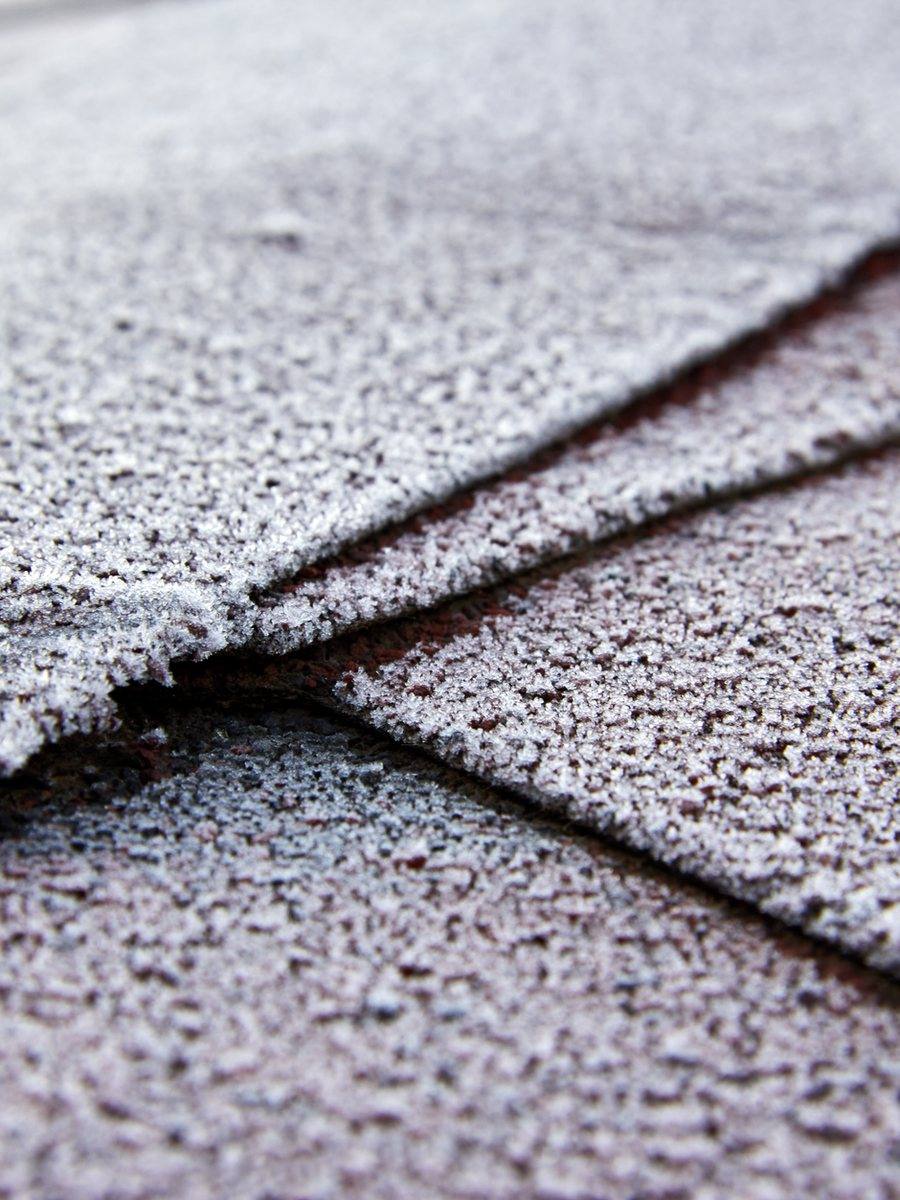
The sensible default for most houses. The difference between a good asphalt roof and a bad one is entirely in the underlayment, the flashing and the ventilation.
25–35 years · lowest cost · widest color range
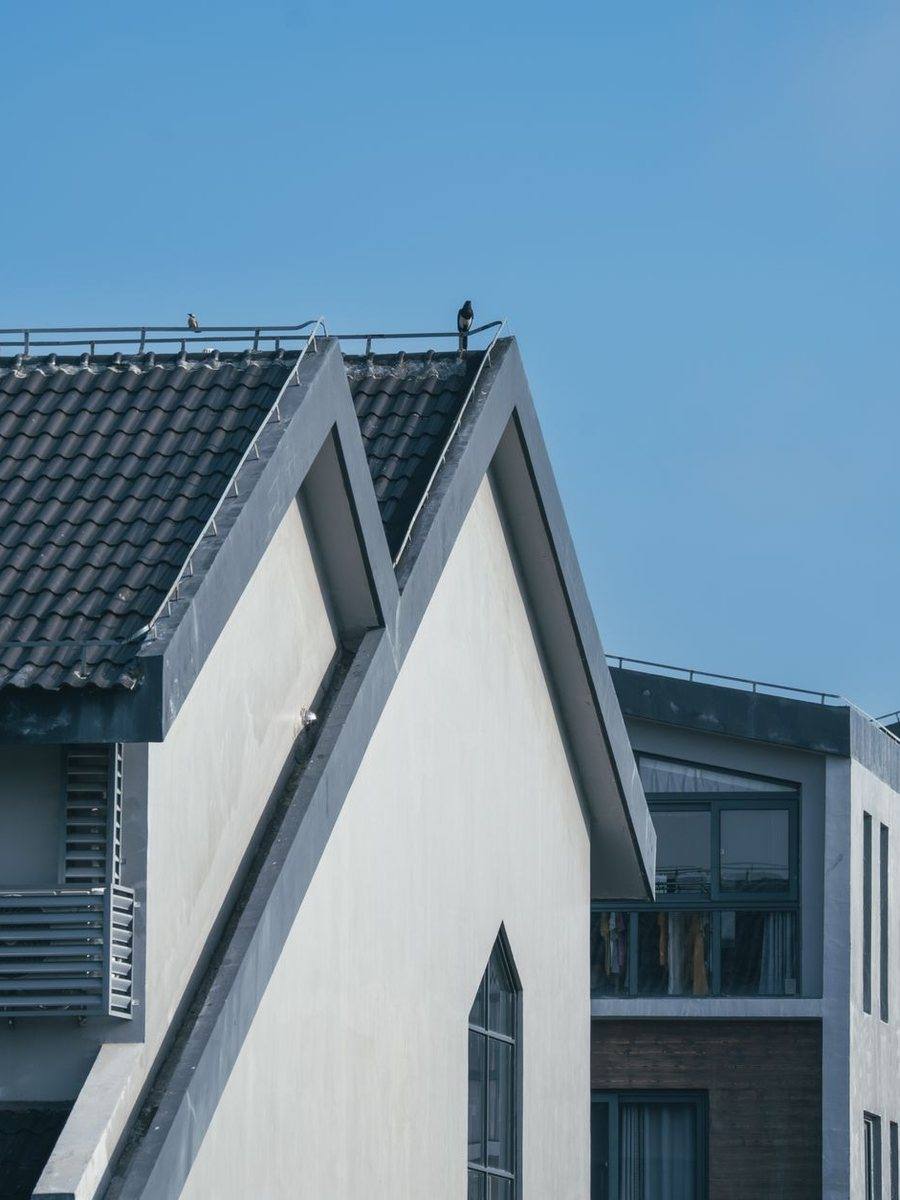
TPO, EPDM or modified bitumen for rear extensions, porch roofs and dormer tops — fully adhered and properly terminated where it meets the pitch above.
20–30 years · for pitches under 3:12 · seam quality is everything
Roofing companies have an obvious incentive here, so it is worth knowing the rule of thumb before anyone climbs your ladder. Ours is simple: if repairs would cost more than about a third of a replacement, replacement is usually the better money. If metal is on the table, our Bergen County metal roof cost guide sets out what standing seam, copper and zinc run here.
The same rule applies street by street, whether it is roof repair in Edgewater, Ridgewood, Ho-Ho-Kus, Allendale, Upper Saddle River, Franklin Lakes, Wyckoff or Glen Rock.
The roof has service life left and the failure is local.
Typical outcome: a same-week fix, photographed before and after, with the rest of the roof left alone.
The material is at the end of its life, or the deck is.
Typical outcome: a full tear-off with deck repair priced separately and only charged if it is needed.
Be careful with anyone who quotes a full replacement without going into the attic, and with anyone who offers to cover your insurance deductible. The first cannot know the condition of the deck. The second can only be done by inflating the claim, which is insurance fraud in your name — and a contractor comfortable proposing that is comfortable with other things.
When two estimates are thirty percent apart, the difference is almost always in this table rather than in the brand on the bundle. Ours specifies every line of it in writing.
| Layer | What we specify | Why it matters |
|---|---|---|
| Deck | Inspected board by board after tear-off; soft or delaminated sheathing replaced in kind | Fasteners only hold in sound wood. This is the line most quotes leave open-ended. |
| Ice & water membrane | Self-adhering membrane at eaves, valleys, and around every penetration | New Jersey freeze-thaw drives water uphill under shingles. This is the layer that stops it. |
| Underlayment | Synthetic underlayment across the field; breathable felt beneath cedar | The secondary water barrier, and the only thing protecting the deck during the install. |
| Flashing | Metal step and counter flashing at walls and chimneys; open metal or woven valleys | Most leaks are here, not in the field. Roof cement over old flashing is a two-year fix. |
| Ventilation | Balanced intake at soffit plus continuous ridge exhaust, sized to attic volume | Unbalanced ventilation cooks shingles from below and builds ice dams above. |
| Roof covering | The material chosen for the house, fastened to the manufacturer's wind-rated pattern | Under-nailing or high-nailing voids the warranty and is invisible from the ground. |
| Edge & trim | Drip edge at eaves and rakes, ridge and hip caps, new pipe boots throughout | Old pipe boots outlive their rubber collars and leak long before the roof does. |
Most of a roof replacement is preparation and protection. The part where shingles go on is the short bit. The sequence is the same for a new roof in Edgewater, Ridgewood, Ho-Ho-Kus, Allendale, Upper Saddle River, Franklin Lakes, Wyckoff or Glen Rock.
Plywood over windows and doors where needed, tarps over beds and shrubs, dumpster positioned on boards to protect the driveway.
Down to the deck, one slope at a time, so the house is never open across the whole roof if the weather turns.
Deck checked and repaired, and you get photographs of anything we find before we cover it up.
Membrane, underlayment, flashing, field and ridge in sequence, with ventilation set as the roof goes on.
Magnetic sweep of the whole property, gutters cleared of debris, and a walkthrough before we invoice the balance.
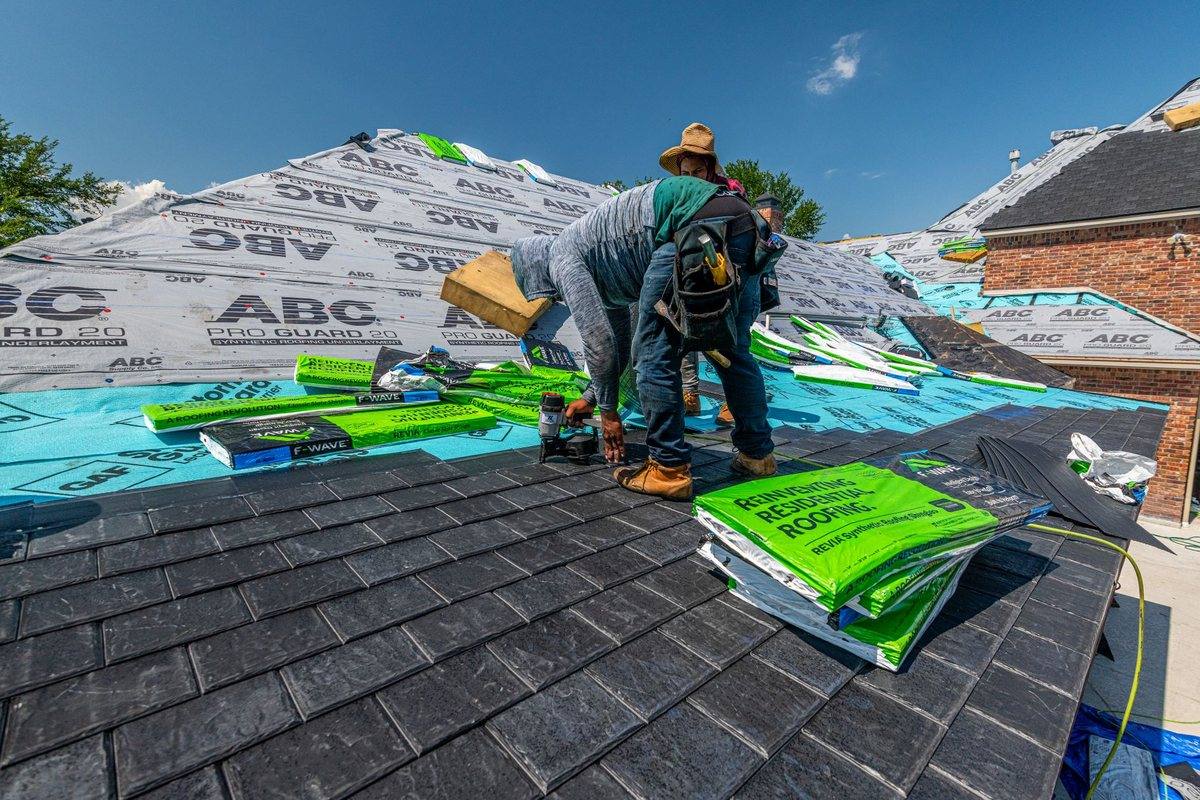
A straightforward asphalt re-roof on an average Bergen County colonial is normally one to two days on site. Cedar and synthetic slate usually run three to five. Natural slate and standing seam are measured in weeks rather than days, because both are cut and fitted on site. Weather moves all of these, and we will not open a slope we cannot close the same day.
Often, yes. If the field is sound and the leak is at a flashing, a chimney, a valley or a vent boot, a repair is the honest answer and it is what we will put in writing. We will also tell you plainly when a repair is throwing money at a roof that has three years left in it.
We tear off. A second layer is permitted in some circumstances, but it hides the condition of the deck, traps heat that shortens the life of the new shingles, and makes the next replacement more expensive because there are then two layers to remove. Full tear-off is what we price as standard.
It depends on material, pitch, stories, the amount of flashing and the condition of the deck. For the roof itself, architectural asphalt runs about $4-$7 per square foot and standing seam metal $12-$18 in steel up to $25-$50+ in copper; tearing off the old roof adds $2-$6. Natural slate on a modest 2,500 square foot Tudor runs $40K-$70K in Pennsylvania slate and $60K-$100K in Vermont slate. We give a fixed written price after measuring the roof, rather than a price per square over the phone — a phone number is a guess, and guesses get revised upward once the ladder is up. The full breakdown is in our roof replacement cost guide.
Yes, for impact damage. We photograph and measure the damage, write an itemized scope in a format adjusters can process, and meet the adjuster on site. What we will not do is offer to waive or absorb your deductible — the only way to do that is to inflate the claim, and that is insurance fraud in your name.
Two separate things. The manufacturer warrants the material, and that warranty only holds if the installation is registered and installed to their specification — we file the registration on your behalf and send you the confirmation. Separately, we warrant our workmanship. Both are stated in the contract before you sign it, in plain language, with the term written down.
Look at the details rather than the field. Is there ice-and-water membrane at the eaves and in the valleys? Is the chimney flashed with proper step-and-counter metal, or sealed with tar? Is there intake ventilation at the soffit as well as exhaust at the ridge? Those three tell you more about an installation than the brand on the shingle does.
Free, no obligation, anywhere in Bergen County — and you get the photographs whether or not you use us.