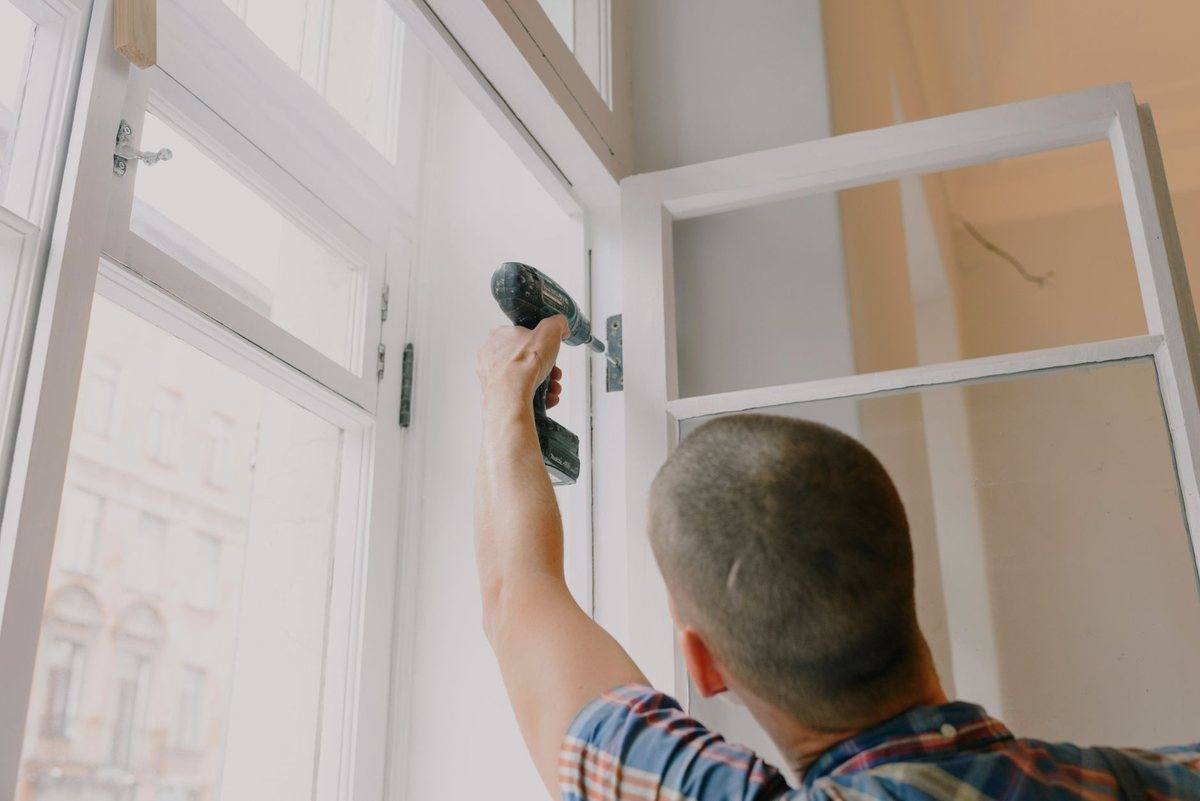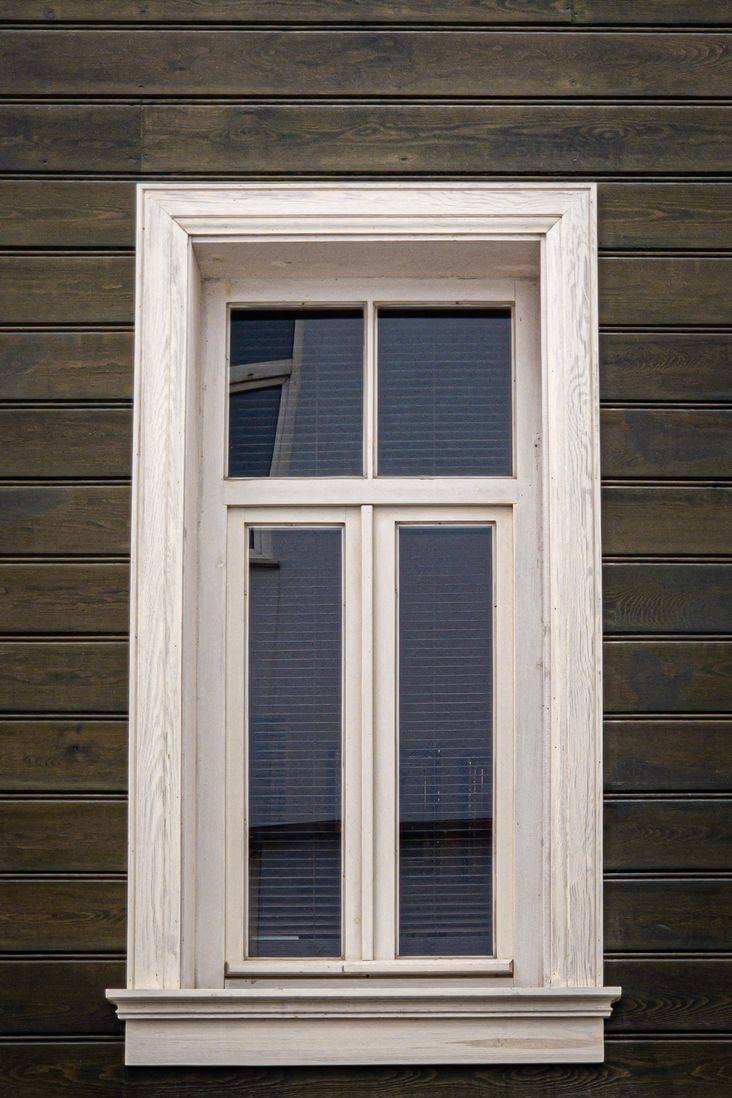
Double-hung & casement
The bulk of most jobs. Simulated divided lites where the house has them, and matched sightlines so a partial replacement does not read as one.
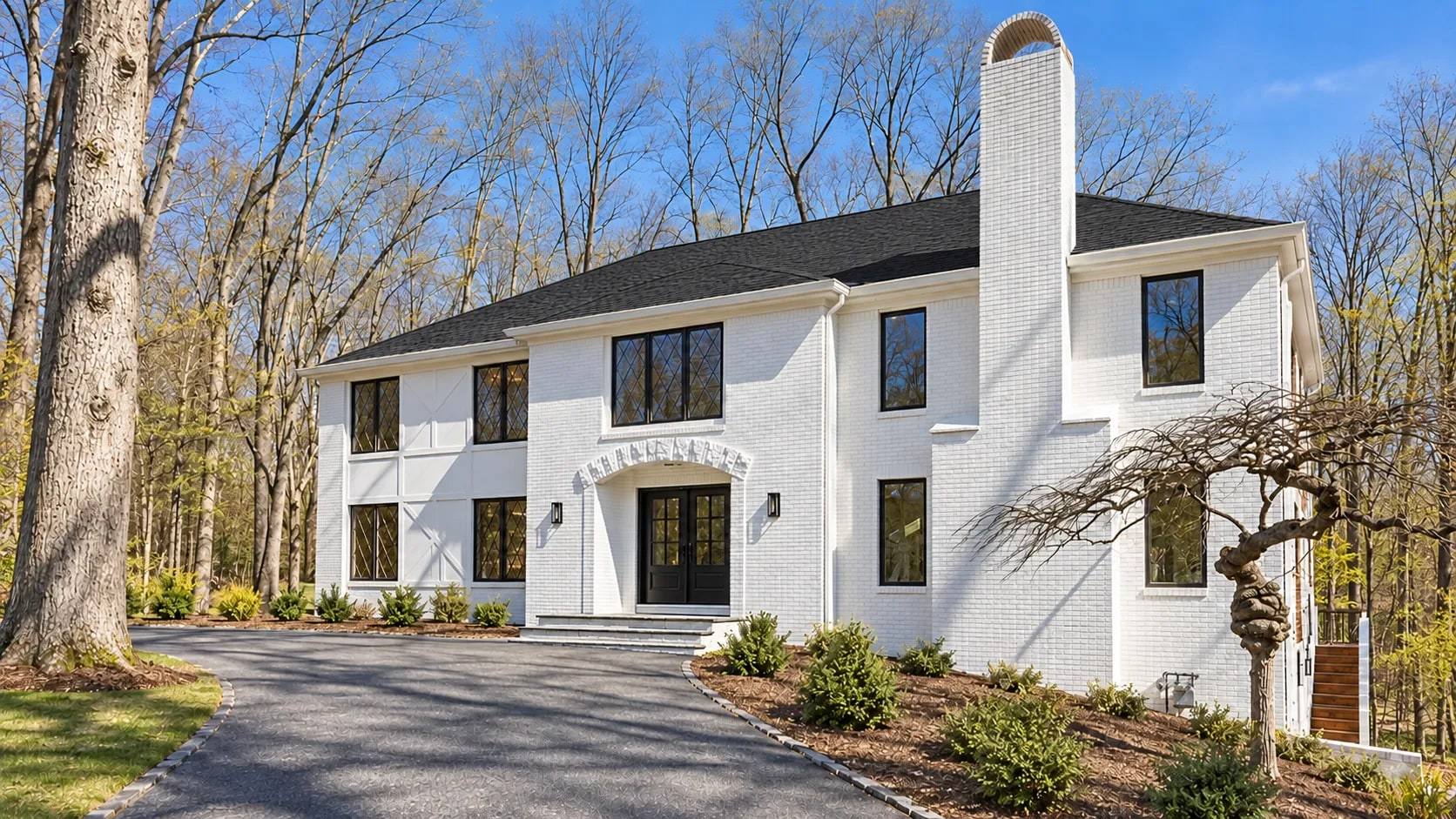
Full-frame and insert replacement, bay and bow, entry doors and sidelights on Bergen County homes — and repair of the original sashes worth keeping. On a 1920s colonial the south elevation is usually shot and the north elevation has another thirty years in it. We will tell you which is which.
Almost every quote you receive will be one of these two, and most will not tell you which. The difference is several thousand dollars and about twenty years of outcome, so it is worth understanding before anyone measures. If fogged glass is what prompted your call, start with our window condensation guide to locate the moisture before deciding on a replacement scope.
A new unit fitted inside the existing frame. Interior and exterior trim stay.
Right when: the frames are solid and you are replacing failed sashes or fogged glass.
Everything out, down to the rough opening. New sill pan, flashing and trim.
Right when: there is rot, water staining or draft at the sill, or during a re-side.
Ask three questions of any estimate: is this full-frame or insert, is a sill pan included, and who makes good the interior. A quote that is silent on all three is not cheaper — it has simply moved those costs to a change order after the wall is open.
What windows cost here. The price turns on which of the two methods you are buying, the frame material and how many openings are in the order. The per-window and whole-house ranges we publish, and the six things that move them, are in window replacement cost in Bergen County. Our own estimates are itemized by elevation, in writing.
Double-hung, casement, awning, bay, bow, fixed picture units, patio and entry doors — in wood, clad wood, fiberglass and vinyl, matched to the house rather than to a supplier relationship.
The bulk of most jobs. Simulated divided lites where the house has them, and matched sightlines so a partial replacement does not read as one.
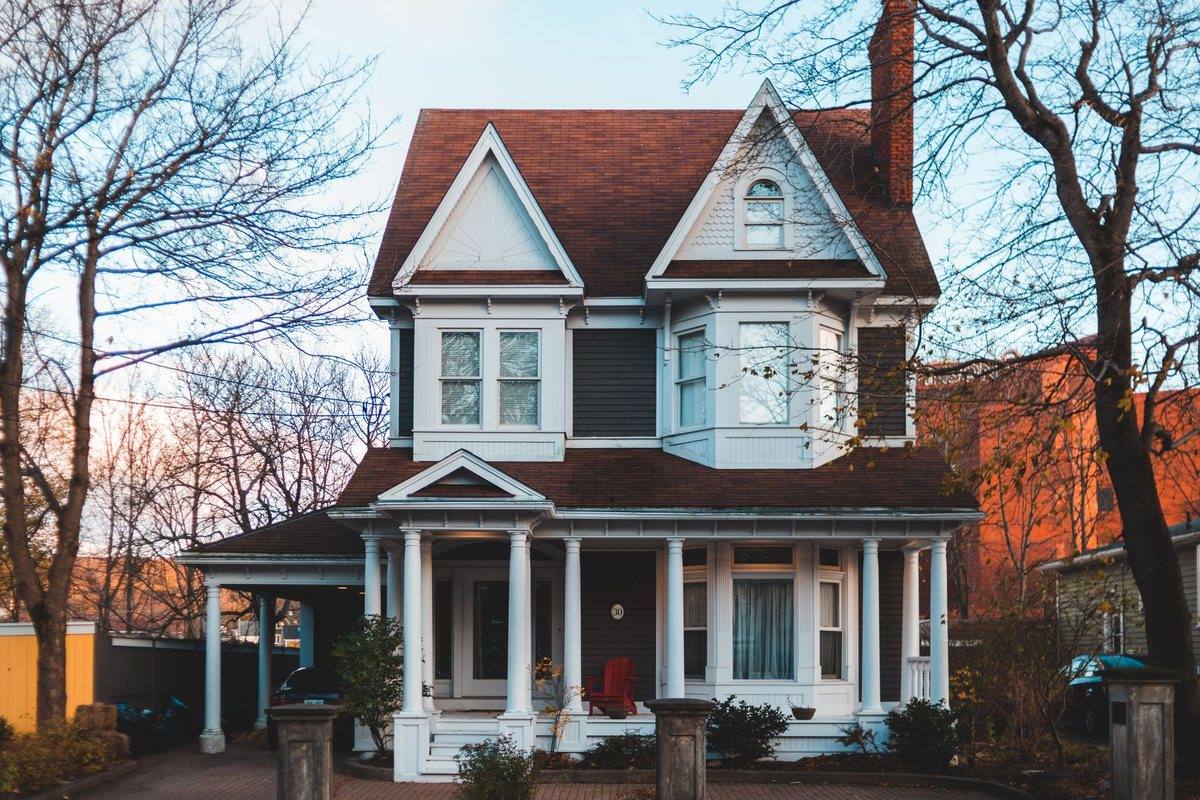
Structural as much as glazing. The head and seat need proper support, insulation and a roof detail above — which is where most leaking bays go wrong.
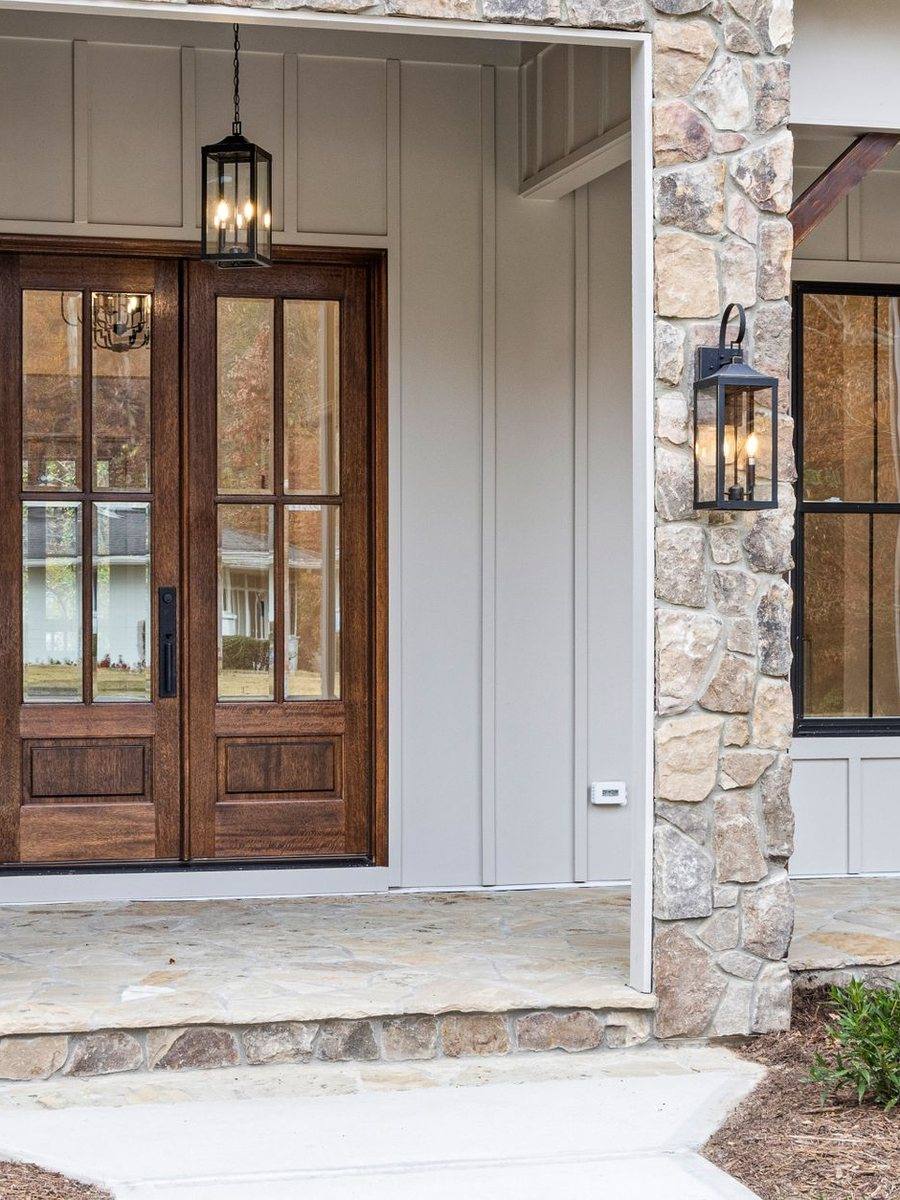
Fiberglass, clad wood and solid wood, with sidelights and transoms. Set on a properly pitched sill pan so the threshold is not the leak. More on entry door replacement and repair.
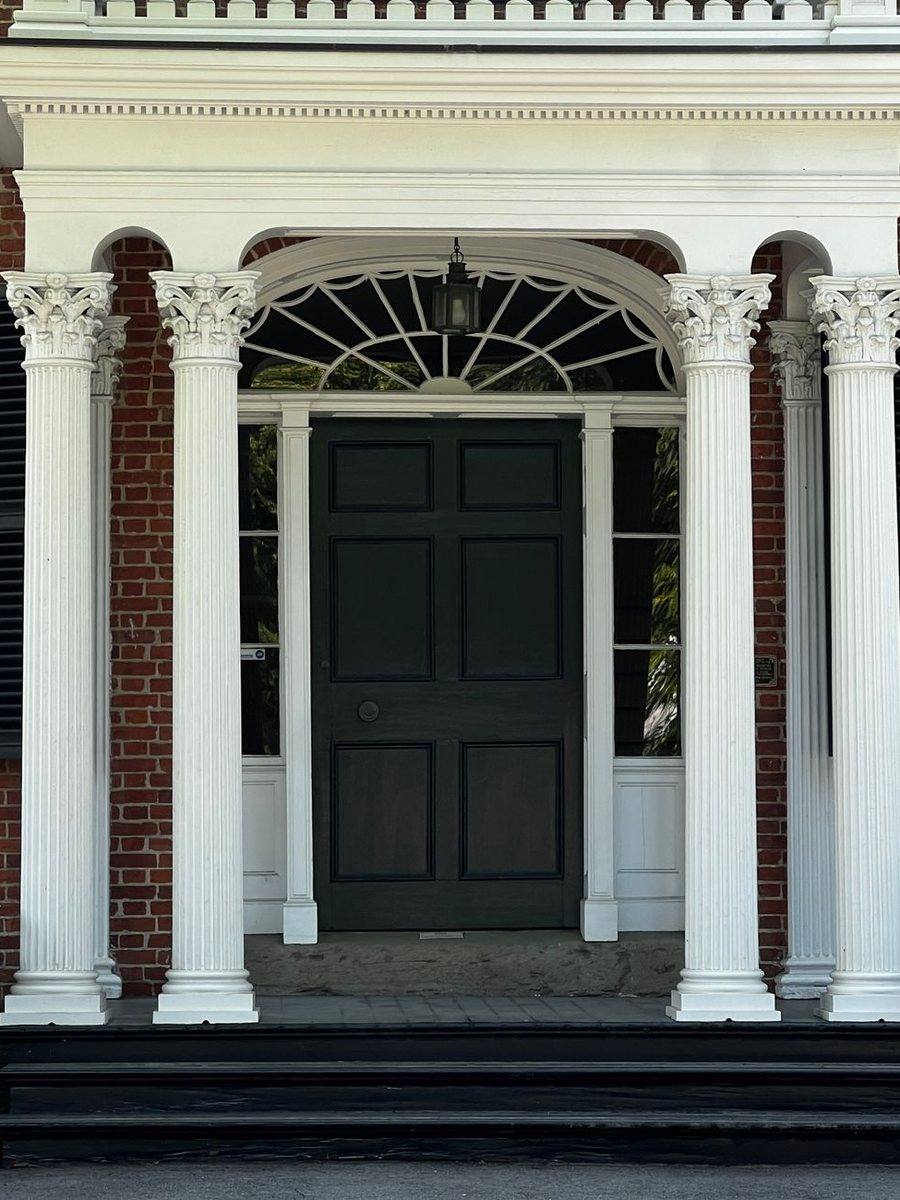
Portico, fanlight, pilasters and surround on center-hall colonials, repaired or rebuilt in kind rather than replaced with a stock unit.
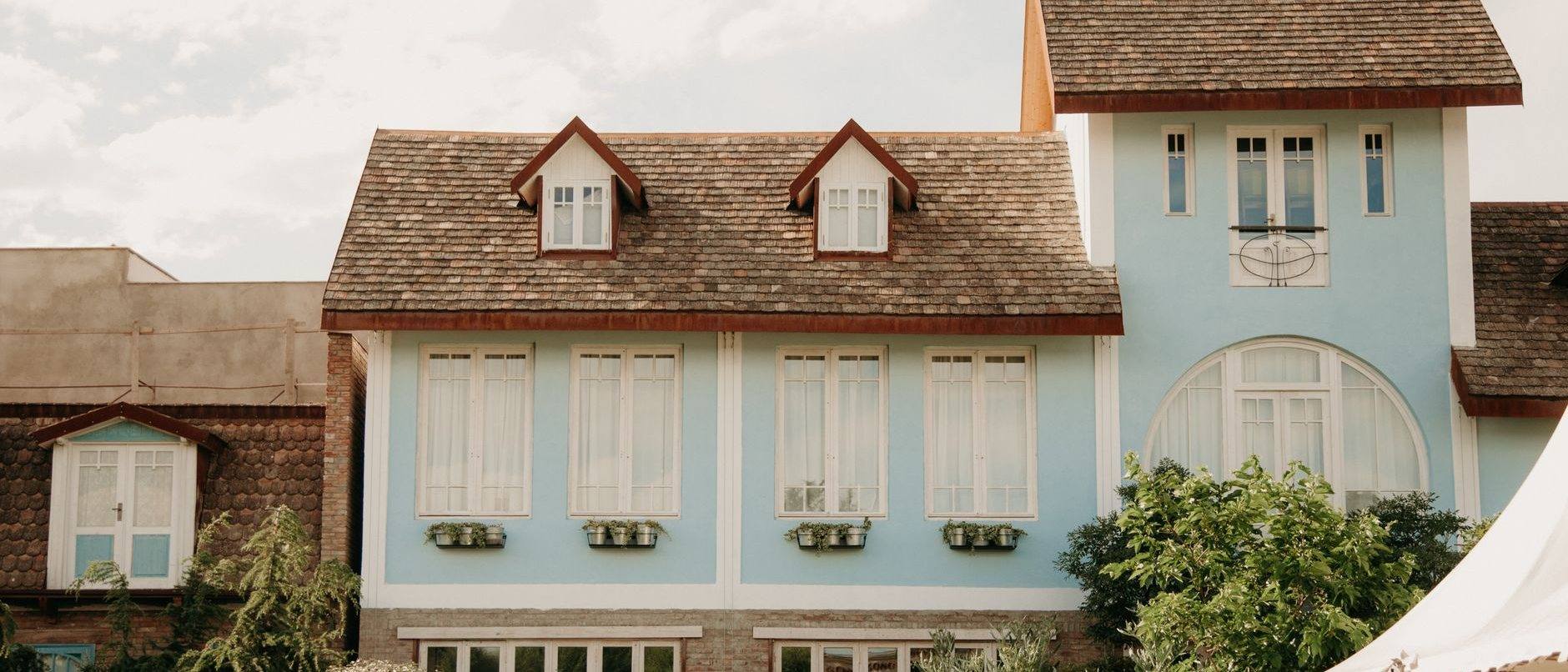
Replace six of eighteen windows with a different frame depth and the house tells everyone about it from the street. We match sightline, muntin pattern, glass tint and exterior color across the whole elevation, and we will happily tell you when a replacement window simply cannot match what is there.
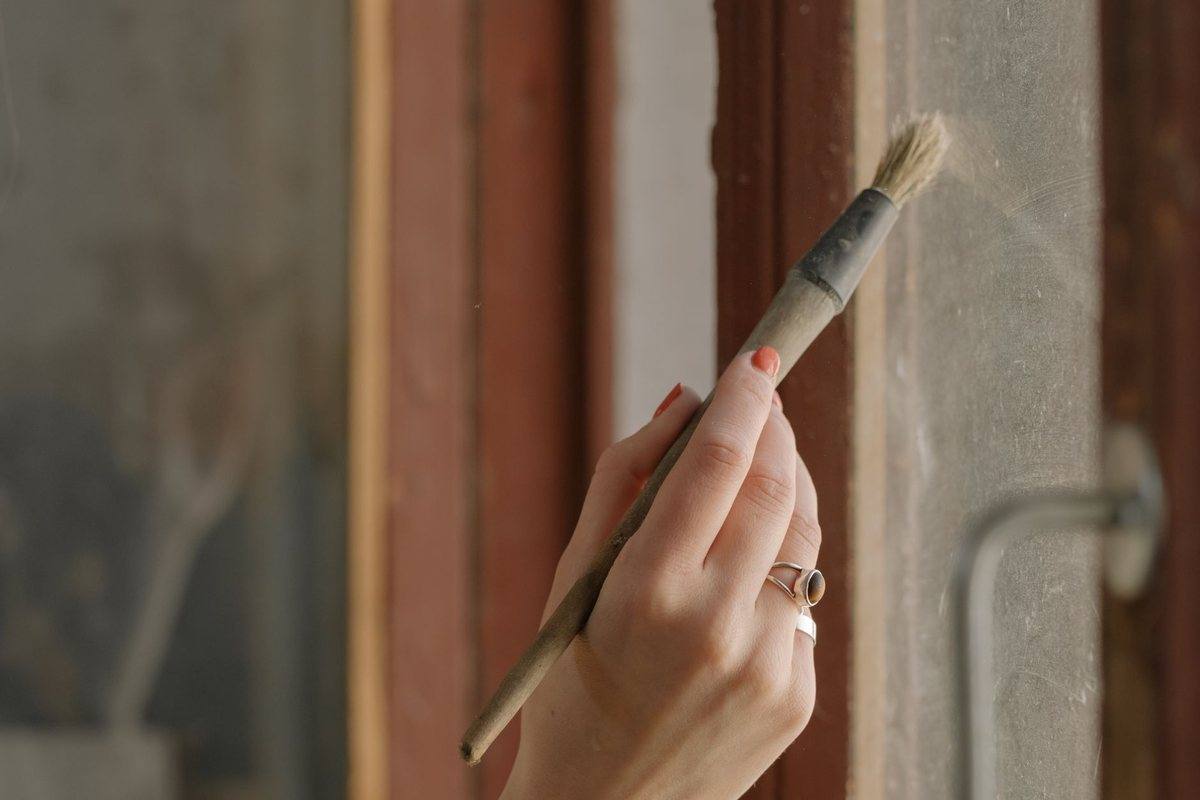
Pre-war sashes are usually old-growth timber — tight-grained, dense, and cut from trees that no longer exist commercially. A sash that is sound apart from failed putty and a broken cord is a repair, not a replacement, and the repair lasts longer than the replacement would.
Joints re-wedged, rotten sections spliced with matching timber, new glazing putty and re-cording of the weights.
Bronze or silicone-bulb weatherstrip in the jamb. Most of the draft from an old window is around the sash, not through the glass.
A good exterior or interior storm on a restored sash gets the assembly close to modern double glazing, at a fraction of the cost, and keeps the original glass.
Not every old window is worth saving. We will go round the house and tell you which ones are, which are borderline, and which are firewood.
The long version of the argument is in restoring pre-war wood sash. Where the pre-war stock is thickest we have a page for the town: window restoration in Ridgewood, window replacement in Upper Saddle River and window replacement in Allendale.
Every window carries an NFRC label. Four numbers on it actually matter, and salespeople rarely explain any of them. Northern New Jersey sits in a cold climate zone, which decides what good looks like.
| Rating | What it means | Sensible here |
|---|---|---|
| U-factor | How fast heat escapes through the whole window. Lower is better. | 0.30 or below |
| SHGC | How much of the sun's heat comes through the glass. | 0.25–0.40, higher on south glass |
| Air leakage | Air passing through the assembly, not the glass. This is what you feel as a draft. | 0.20 or below |
| Visible transmittance | How much daylight gets through. Heavy low-E coatings cost you some. | 0.50 or above |
| Frame material | Wood, clad wood, fiberglass and vinyl differ in movement, paintability and life. | Depends on the house |
Installed prices. The spread is the window: a stock vinyl casement sits at the low end, a custom-millwork wood double-hung at the high end. Restoring a sound sash usually costs less than replacing it.
| Work | Typical range |
|---|---|
| Replacement window, installed | $1,200–$3,500+ each |
| A whole house of 15–30 windows, larger home | $30,000–$100,000+ |
| Wood sash restoration | $400–$900 per window |
| Sash cord and weight repair | $150–$400 |
| Leaded-glass repair | $500–$2,000+, by panel size |
Usually not. Windows fail by exposure, so the south and west elevations go first and the north elevation is often still fine. Doing the failed elevations properly and restoring the rest is frequently better value than a whole-house replacement — and it lets you spend the difference on full-frame installation where it matters rather than inserts everywhere.
Often. Pre-war sashes are old-growth timber, and the joinery in them is better than anything at a comparable price today. A sash rebuild plus weatherstripping plus a good storm window gets you close to modern performance, keeps the original glass, and is genuinely repairable in another forty years. That said, some are past it, and we will say so.
Insert replacements are usually several windows a day with little mess. Full-frame is a bigger job: the interior trim comes off and gets made good, so plan for dust sheets and a day per room. We never leave an opening unsecured overnight.
On energy alone, rarely within a sensible payback period — the honest reason to replace windows is comfort, drafts, operation, rot and appearance. The heating saving is real but modest, and anyone quoting you a two-year payback is selling rather than calculating.
Usually, within limits. Simulated divided lites with the correct muntin width and a spacer bar read convincingly from the street. Genuine true divided lites are available and expensive. What we will not do is put a stock grille between the panes on a house that deserves better and call it a match.
Typically $1,200-$3,500+ per window installed, from a stock vinyl casement at the low end to a custom-millwork wood double-hung at the high end; a whole house of 15-30 windows on a larger home runs $30,000-$100,000+. Restoring a sound wood sash usually costs $400-$900 a window.
Free, itemized by elevation, anywhere in Bergen County, with the repair-versus-replace call made in writing.