Roofing & exteriors in Harrington Park, NJ
Most of Harrington Park was built between 1950 and 1970, when developers filled the old farm and orchard land between the Oradell Reservoir and the Closter line with single-family houses. Those roofs are now 55 to 75 years old and into their second or third cycle. The siding is often a later layer over the original, and the gutters were sized when the street trees were saplings.
Harrington Park is a small Northern Valley borough in the northeast of the county — 2.06 square miles, 0.22 of it water — bordered by Closter, Emerson, Norwood, Old Tappan and River Vale. Its western edge is Oradell Reservoir shoreline and Hackensack River watershed land; Old Hook Road (County Route 502) and County Route 505 run through it. The land stayed farmland and orchards into the 1800s, until the West Shore Railroad turned it into a commuter town; the borough incorporated in 1904.
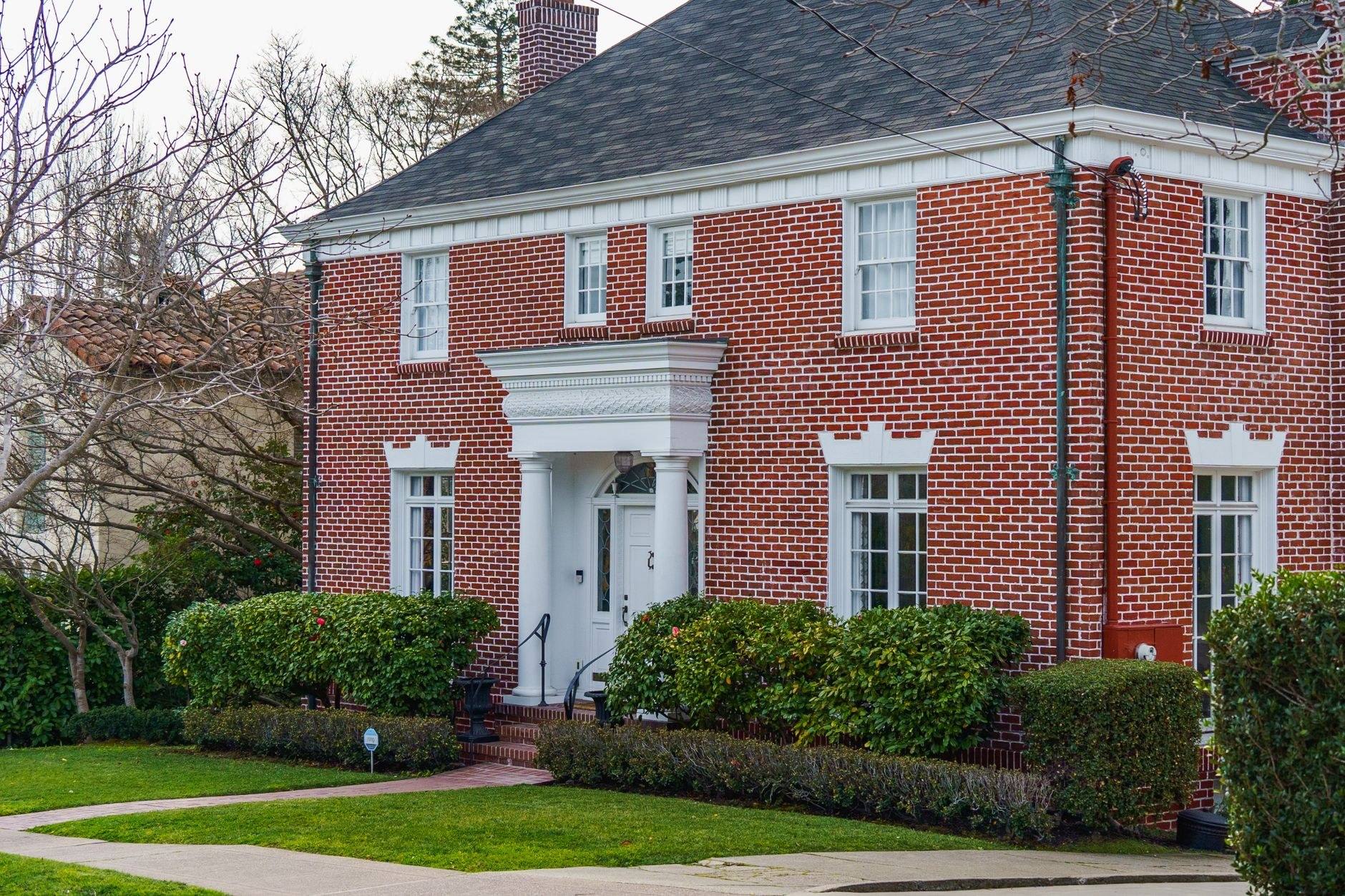
The house you own here is most likely a product of the 1950–1970 build-out, which by the borough's own account produced most of its housing stock. In a Northern Valley borough that generally means detached colonials, split-levels, ranches and capes on suburban lots, with gable and hip roofs of asphalt shingle and wood, vinyl or aluminum siding. The 2020 census counted 1,643 housing units with a 3.0% vacancy rate: an owner-occupied town where houses are kept, not flipped. Later townhouse complexes and age-restricted senior housing add a small attached-housing component.
What fails first on a house of that age is rarely the shingle field. It is the flashing at chimneys and sidewalls, the pipe boots, the valleys under decades of leaf fall, and 5-inch gutters that were adequate when the trees were young. We inspect the whole envelope before we quote a roof, because on a house this age the roof, the siding and the drainage are one system. Weighing repair against replacement? Start with how long a roof lasts in New Jersey.
What we check first on a Harrington Park house
Flashing on a second-cycle roof
Post-war roofs of this age have often been re-covered once or twice, with the step, chimney and sidewall flashing left original. We lift and look rather than assume; a re-cover that kept the old metal is where most leaks in a 1960s house begin.
Attic ventilation on capes and splits
Low finished attics behind knee walls trap warm air, and on a shaded roof in a Northern Valley winter that is the recipe for ice dams at the eaves. We check intake and exhaust and how far the ice-and-water shield runs up from the edge.
Drainage toward the reservoir
Roughly 11% of the borough is water. On lots toward the Oradell Reservoir we look at where every downspout discharges and whether the grading carries water away from the foundation.
What is under the siding
Aluminum or vinyl over original wood is common on houses of this era. Before we quote siding we probe for sheathing rot at the sill and under the window trim; a new skin over a soft wall is money spent twice.
Specified for Harrington Park's housing stock
Roofing for gable and hip roofs
Architectural shingle over synthetic underlayment, ice-and-water shield at eaves and valleys and new flashing throughout is the right answer for most of the 1950–1970 stock. Standing seam metal where a homeowner wants a fifty-year roof.
Siding over a repaired wall
Fiber cement or insulated vinyl over sheathing we have repaired, wrapped and flashed, with the trim around 1960s window openings rebuilt so water sheds instead of finding the gap. Existing layers come off first.
Gutters sized for the trees
Six-inch seamless aluminum on the longer eave runs, guards where branches overhang, downspouts routed to daylight. Our guide to gutter guards under Bergen's tree canopy covers what works under leaf load.
Windows & doors by era
Insert replacements where the original frames are square and sound, full-frame units where they are not, and storm panels kept or replaced where single-pane sash is worth saving. We measure every opening first.
Wooded lots, reservoir edges and houses kept for decades.
The Northern Valley runs from the Palisades ridge down to the reservoir towns, and its exterior work is shaped by mature trees, freeze-thaw winters and homeowners who stay. Roofs here are judged over thirty years, not three, so we specify underlayment, flashing and ventilation as carefully as the shingle.
Neighborhoods and streets we work in Harrington Park
ZIP code served: 07640.
- The streets off Old Hook Road (County Route 502) — the 1950–1970 colonials, splits and capes that make up most of the borough
- The County Route 505 corridor — same-era single-family houses on the other through road
- Lafayette Road and the Blauvelt House area — a c. 1800 stone house on the National Register among the later streets; older survivors get period-matched materials
- The Oradell Reservoir shoreline — lots on the watershed edge where downspout discharge and grading matter as much as the roof
- The blocks around Harrington Park School — post-war residential streets around the borough's Pre-K–8 school
- Townhouse complexes and age-restricted senior housing — attached units with shared roof planes, scoped with the association first
Harrington Park response, anywhere in 07640. Call (201) 446-5941 or request a free written estimate online.
Adjacent Bergen towns
Does Johannemann & Sons serve Harrington Park, NJ?
Yes — we work across Harrington Park, ZIP 07640, from the Oradell Reservoir shoreline to the Closter and Norwood lines. Most of the borough's houses date from the 1950–1970 build-out. What they need now is second- and third-cycle roof replacement, flashing and leak repair, siding over repaired sheathing, gutter upsizing, window replacement and decks. Every estimate is written, with photographs and named materials.
My 1960s house has had two roofs already. Does the next one need a tear-off?
Almost always, yes. The residential code caps asphalt shingle at two layers, so a second re-cover is not an option, and on a roof of that age you want the deck exposed anyway. A tear-off lets us replace soft sheathing, install ice-and-water shield at the eaves and valleys, renew every piece of flashing and correct the attic ventilation that so many capes and splits lack. The extra cost is disposal and labor; the return is a roof that starts from a sound deck.
Do I need a permit to replace a roof, siding or a deck in Harrington Park?
Replacing the roof covering or the siding on a detached one- or two-family house is ordinary maintenance under New Jersey's Uniform Construction Code, so it needs no permit. A permit is needed when roof sheathing is replaced, when framing changes, and for a new or rebuilt deck, which is inspected at footings and framing. We file those permits, schedule the inspections and hand you the closed permit with your paperwork. On lots toward the Oradell Reservoir and the Hackensack watershed you may also be asked about drainage and ground disturbance; we raise those questions with the borough before work starts, not after.
Roofing for the homes of Harrington Park, NJ.
A free written estimate with photographs and named materials, from a Bergen County exterior crew working from our Edgewater base — roofing, siding, windows, gutters and decks.